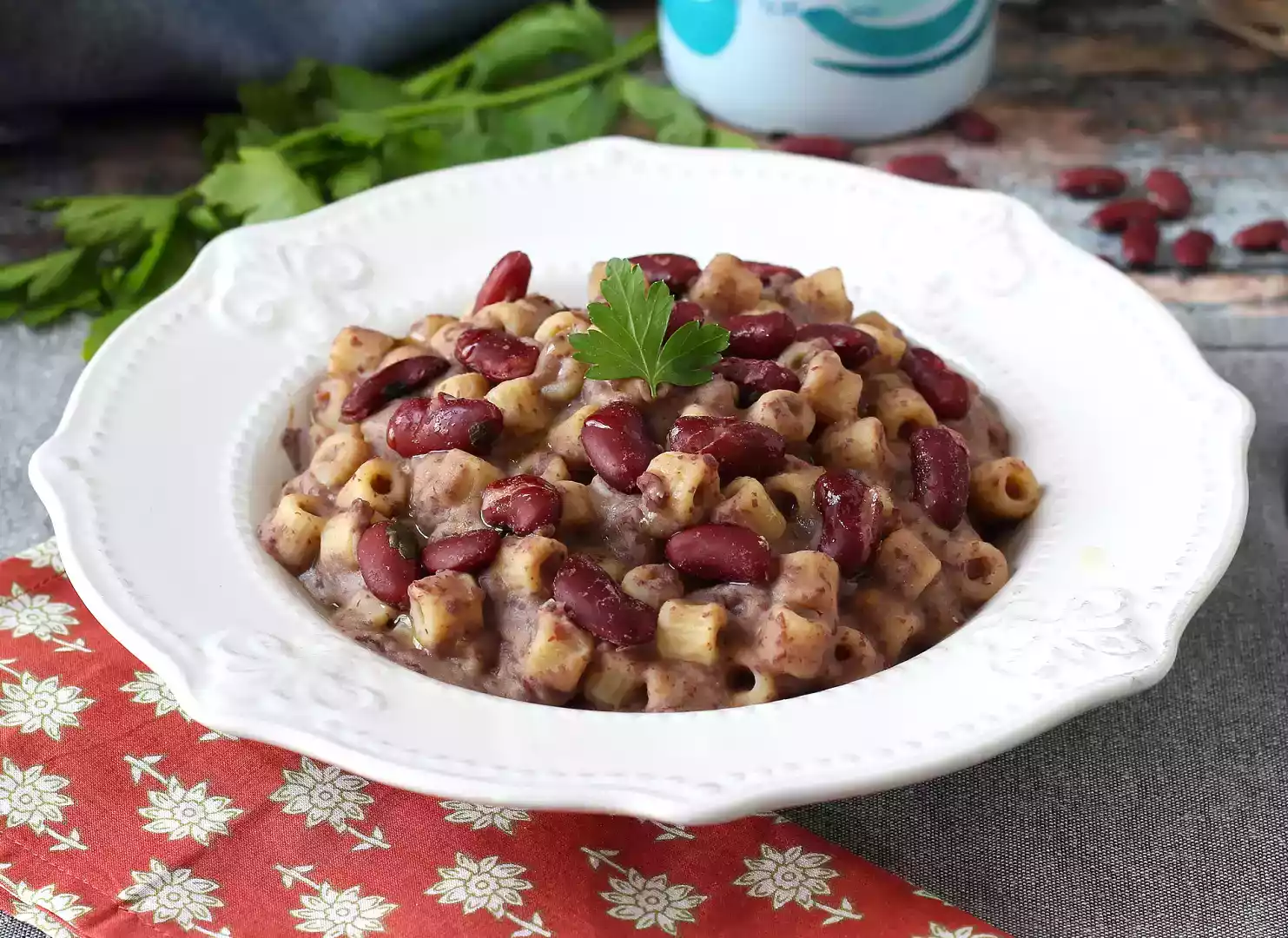
Master Pasta Fagioli alla Veneta: Smoky Pancetta & Beans
Imagine a dish that wraps you in a warm embrace, a culinary hug perfected over generations in the charming region of Veneto, Italy. That, in essence, is Authentic Pasta Fagioli alla Veneta: Hearty Italian Comfort. More than just a simple pasta and bean soup, the Venetian rendition elevates this humble staple to an art form, distinguished by its unique use of smoky pork, a velvety texture, and a depth of flavor that speaks of tradition and hearth-cooked goodness. Perfect for a cozy weekend or a comforting weeknight meal, this hearty minestra promises a delightful journey for your palate.
While many Italian regions boast their own version of pasta e fagioli, the Veneta style stands out. It's a testament to the region's culinary philosophy, where simple, high-quality ingredients are transformed through slow cooking and meticulous technique into something truly extraordinary. Our focus today is to demystify this Venetian masterpiece, guiding you through the essential ingredients and methods to achieve that unparalleled smoky, savory, and satisfying bowl.
What Makes Pasta Fagioli alla Veneta Stand Apart?
The beauty of Italian cuisine often lies in its regional diversity, and Pasta Fagioli alla Veneta is a prime example. While the core concept of pasta and beans remains, the Venetian approach introduces several key elements that set it apart from, say, its Neapolitan counterpart or a generic "pasta and bean soup."
- The Smoky Pork Element: This is arguably the most defining characteristic. Traditional Venetian recipes often call for cotenna (pork rind) or lardo (cured pork fat). These ingredients render down slowly, infusing the entire soup with a rich, smoky depth that pancetta, while excellent, only begins to emulate. This fat isn't just for flavor; it contributes a luscious mouthfeel and body to the broth.
- The Beans of Choice: While cannellini or borlotti beans are widely used and perfectly acceptable, the truly traditional version often highlights the exquisite local Lamon beans. Known for their delicate flavor and creamy texture, these beans are a prized ingredient in the Veneto region.
- The Velvety Texture: Unlike some versions that keep all beans whole, Pasta Fagioli alla Veneta achieves its characteristic creaminess by pureeing a portion of the cooked beans and potatoes. This creates a rustic, thick, and wonderfully smooth broth that coats every piece of pasta and bean, without relying on cream or excessive thickeners.
- The Soffritto Base: A foundational element in much of Italian cooking, the soffritto (sautéed aromatic vegetables like carrots, celery, and onion, often with rosemary in this dish) provides the aromatic backbone, building layers of flavor from the very beginning.
These elements combine to create a soup that is profoundly comforting, deeply flavorful, and quintessentially Venetian. It’s a dish that embodies cucina povera – "poor kitchen" cooking – transforming humble ingredients into a rich, satisfying meal.
Unveiling the Essential Ingredients for Authentic Flavor
Crafting the perfect Pasta Fagioli alla Veneta begins with selecting the right components. Quality ingredients are paramount, as each plays a vital role in building the complex flavor profile.
- Dried Beans (200g): As mentioned, Lamon beans are ideal if you can find them. Otherwise, good quality cannellini or borlotti beans are excellent substitutes. The key is to use dried beans, which offer superior texture and flavor compared to canned. Remember to soak them in cold water overnight (at least 12 hours) to rehydrate and significantly reduce cooking time. This also helps improve digestibility.
- The Smoky Pork Fat (100g): Here’s where the Venetian magic truly happens.
- Cotenna (Pork Rind): This is the most traditional choice. It's rich in gelatin and fat, which melt into the soup, providing an incredible body and flavor. If using cotenna, it’s crucial to blanch it for about 5 minutes, then scrape it clean to remove impurities before dicing and adding to the pot. This pre-treatment ensures a clean, pure flavor.
- Lardo (Cured Pork Fat): Another excellent, traditional option that doesn't require the pre-boiling of cotenna. It melts beautifully, imparting a delicate, savory richness.
- Pancetta (Diced, Unsmoked): A more readily available and equally delicious alternative. Look for good quality, unsmoked pancetta, diced finely. It delivers that essential salty, savory, and slightly smoky character that defines the dish. Some versions even combine a small amount of cotenna for body with pancetta for flavor.
- Aromatic Vegetables for Soffritto:
- 1 Carrot: Finely diced.
- 1 Celery Stalk: Finely diced.
- 1 Onion: Finely diced.
- 1 Sprig of Rosemary: The needles, finely chopped. Rosemary adds a beautiful, earthy, and aromatic note that complements the beans and pork exceptionally well.
- Potatoes (2 medium): Peeled and diced. Potatoes contribute starch, which helps to thicken the soup, and add a pleasant, mellow flavor that balances the richness.
- Tomato Concentrate (1 tablespoon): Just a small amount is needed to add depth, a touch of acidity, and a subtle reddish hue, without making the soup taste like a tomato-heavy sauce. It enhances the overall savory profile.
- Olive Oil: Extra virgin olive oil for sautéing the soffritto and for finishing the dish.
- Water (approx. 2 liters): Hot water is preferred to maintain a consistent cooking temperature when added to the simmering ingredients.
- Fresh Egg Pasta (150g): Traditional choices include tagliolini (thin ribbons) or maltagliati (irregularly cut pasta pieces). Fresh pasta cooks quickly and has a wonderful tender texture that stands up beautifully in the soup. If fresh pasta isn't available, small, sturdy dried pasta shapes like ditalini or elbow macaroni can be used, but fresh pasta is highly recommended for authenticity.
- Salt and Freshly Ground Black Pepper: To taste, crucial for balancing and enhancing all the flavors.
Crafting Your Masterpiece: A Step-by-Step Guide to Pasta Fagioli alla Veneta
The journey to a perfect bowl of Pasta Fagioli alla Veneta requires patience, but the steps are straightforward and immensely rewarding. For a full step-by-step guide to this beloved dish, check out our Traditional Pasta e Fagioli alla Veneta Recipe Guide.
- Bean Preparation (Night Before): Begin by placing your 200g of dried Lamon, cannellini, or borlotti beans in a large bowl, covering them generously with cold water. Let them soak overnight, typically 10-12 hours. The next day, drain and rinse them thoroughly.
- Pork Preparation: If using 100g of cotenna, boil it in fresh water for 5 minutes. Drain, let it cool slightly, then use a sharp knife or spoon to carefully scrape away any remaining impurities or bristles from the inside. Dice it into small pieces. If using lardo or pancetta, simply dice it to a similar size.
- Build the Soffritto: In a large, heavy-bottomed pot or Dutch oven, heat about 3 tablespoons of extra virgin olive oil over medium heat. Add the finely chopped carrot, celery, onion, and rosemary. Sauté gently until the vegetables soften and become translucent, about 8-10 minutes. Do not let them brown. This slow cooking of the aromatics is key to developing a deep flavor base.
- Combine & Simmer: Add the drained and rinsed beans to the soffritto, stirring for a couple of minutes to let them absorb the aromatic flavors. Next, add the diced potatoes, the prepared cotenna (or lardo/pancetta), and approximately 2 liters of hot water. Bring the mixture to a boil, then reduce the heat to low, add the tablespoon of tomato concentrate, and a pinch of salt. Cover the pot and simmer gently for about 2 hours, or until the beans and potatoes are very tender. Check periodically to ensure there’s enough liquid; add more hot water if needed to keep the beans submerged.
- The Velvety Secret: Once the beans and potatoes are tender, remove about half of them from the pot (try to get an even mix of beans and potatoes). Pass them through a food mill with a medium disc (this will create a wonderfully rustic texture while removing bean skins) or purée them using an immersion blender directly in a separate bowl. Return the puréed mixture to the pot, stirring well to combine. This step is crucial for achieving the characteristic creamy, thick consistency of Venetian Pasta Fagioli.
- Pasta Perfection: Bring the soup back to a gentle simmer. Add the 150g of fresh egg pasta (tagliolini or maltagliati). Cook the pasta directly in the soup according to package instructions, typically 2-4 minutes for fresh pasta, until it is al dente. Taste and adjust seasoning with salt and plenty of freshly ground black pepper.
- Rest and Serve: Remove the pot from the heat and let the Pasta Fagioli alla Veneta rest for at least 10-15 minutes. This crucial resting period allows the pasta to fully absorb the flavors, the broth to thicken further, and all the elements to meld into a harmonious whole.
Serving, Storage & Venetian Wisdom
Your magnificent Pasta Fagioli alla Veneta is now ready to be enjoyed. Serve it warm, in deep bowls, with a generous drizzle of high-quality extra virgin olive oil and another grind of fresh black pepper over each serving. Some also enjoy it served at room temperature, as its flavors become even more pronounced when not piping hot. A side of crusty Italian bread is the perfect accompaniment for soaking up every last drop of the rich, savory broth.
Storage Tips: If you're not planning to eat all the soup immediately, or if you wish to prepare it in advance, here's a smart tip: if freezing, it's best to remove any unserved soup before adding the pasta. This is because pasta, especially fresh pasta, can become mushy when frozen and reheated. Simply freeze the bean and vegetable base for up to 1 month. Thaw it in the refrigerator, bring it to a boil, and then add fresh pasta to cook just before serving. Un-pasted soup will also keep well in the refrigerator for 3-4 days. This soup, like many stews and hearty dishes, often tastes even better the next day as the flavors continue to develop and deepen.
Pasta Fagioli alla Veneta is more than just a recipe; it's a culinary legacy, a comforting hug in a bowl that embodies the rustic elegance of Venetian cooking. Whether you're a seasoned chef or a home cook eager to explore authentic Italian flavors, mastering this dish will bring immense satisfaction and a truly delicious experience to your table. So, gather your ingredients, take your time, and savor the process of bringing this smoky, hearty, and utterly delightful Venetian classic to life.
